Kano has been a centre of trade for around a thousand years. Caravans once crossed the Sahara to reach its markets, and the city still hums with traders, craftsmen and dyers. The old city, inside its historic walls, is a living place rather than a museum, and it rewards visitors who come with curiosity and respect.
What to see in Kano’s old city
- Kofar Mata dye pits
- Cloth is dyed in deep indigo in clay pits that have been used for roughly five centuries. You can watch the dyers at work and buy cloth from them.
- Kurmi Market
- One of the oldest markets in West Africa, a maze of stalls selling textiles, crafts, leather, spices and more.
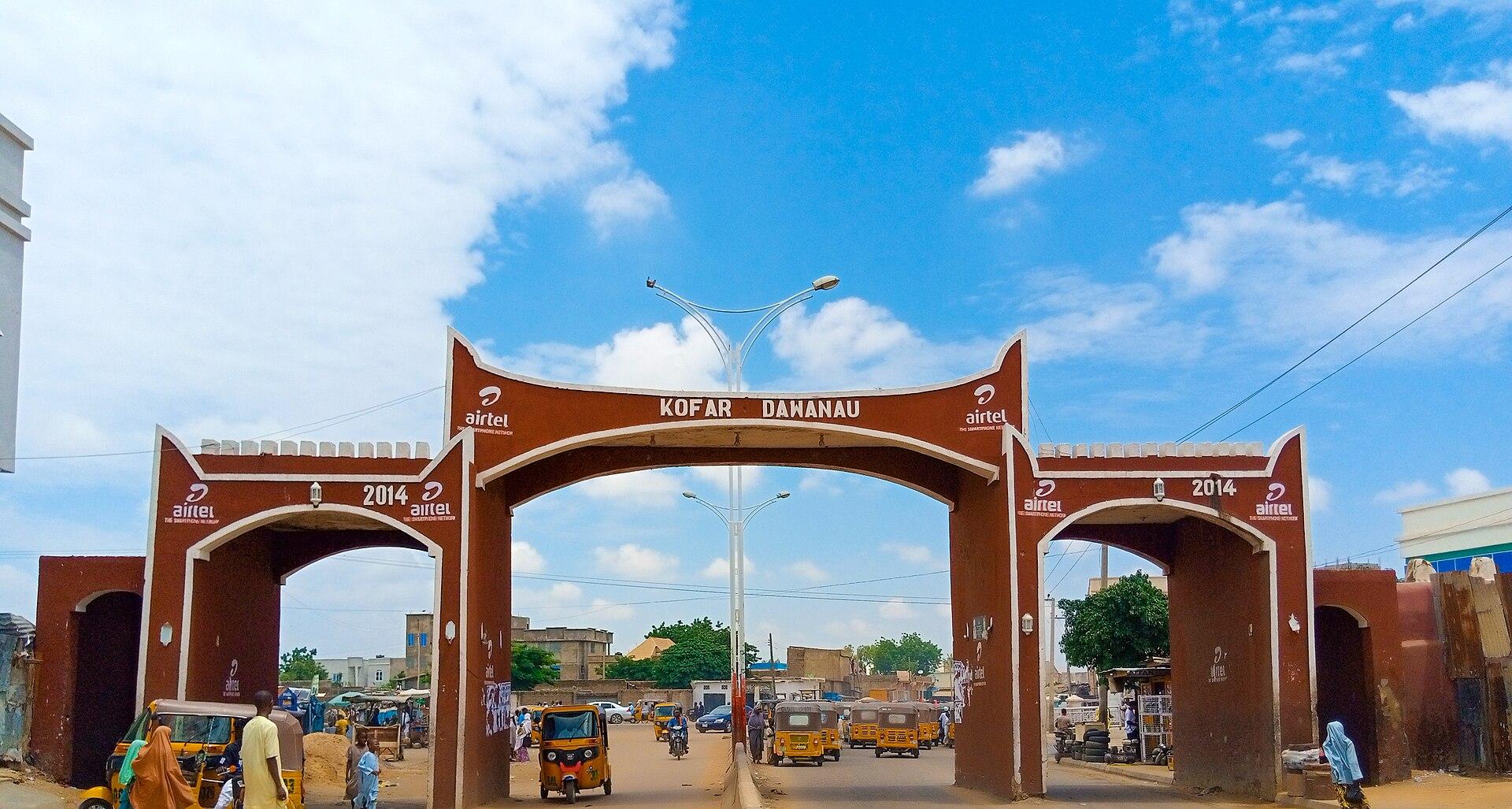
- The city walls and gates
- Parts of the old walls and their gates still stand and show how large the historic city was.
- Gidan Makama Museum
- A historic house museum in the old city that tells the story of Kano’s past.
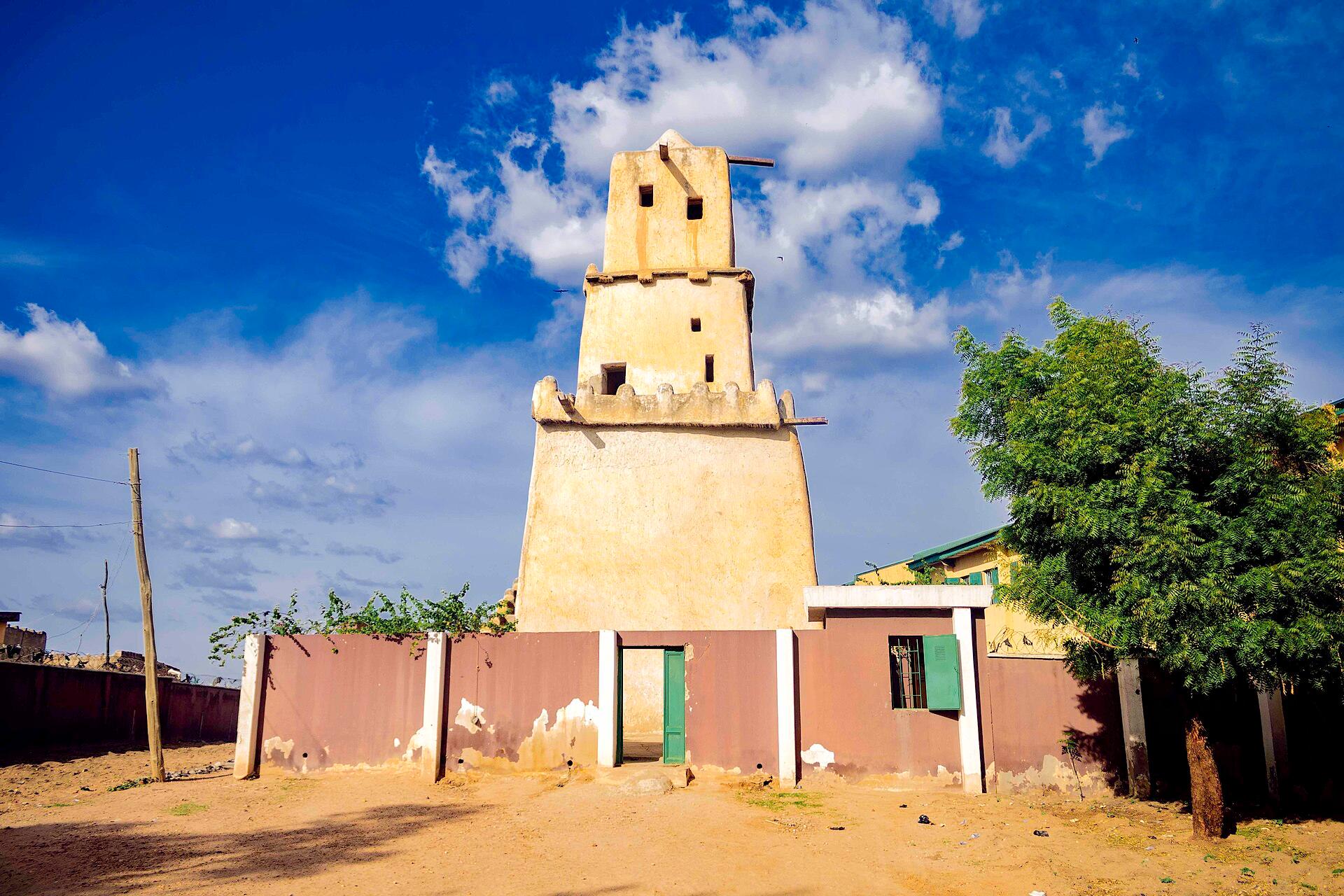
- The Emir’s Palace and the Central Mosque
- Important landmarks. Admire from outside unless you have permission to enter.
Visiting respectfully
- Dress modestly. Cover shoulders and knees, and consider a headscarf for women when visiting religious sites.
- Ask before you photograph people. A smile and a request go a long way, and some people will decline.
- Respect prayer times. Shops and sites may close briefly, and Fridays are special.
- Bargain with good humour. Prices in markets are negotiable, but be fair.
- Go with a local guide. The old city’s lanes are confusing, and a guide opens doors.
When to go
The dry season is the most comfortable for walking, and in harmattan the skies are hazy but the air is cooler. Dates of Islamic festivals change each year, and the great durbar processions around them are spectacular, though crowds and security are heavier. Our seasons guide explains the weather.
Plan with care
Check current official travel advice, use a trusted, reviewed operator and travel in daylight. Our safety guide has practical tips.
A sample day in the old city
| Time | Plan |
|---|---|
| Morning | Visit the Kofar Mata dye pits while the dyers are busy |
| Late morning | Walk to Kurmi Market and explore the stalls |
| Midday | Stop for lunch and a rest during the hottest hours |
| Afternoon | Visit Gidan Makama and the old walls |
| Late afternoon | See the palace and the mosque from outside, and finish with a walk through the lanes |
Tips for the markets
- Carry small notes and agree prices before you take an item
- Keep bags closed and in front of you in crowded lanes
- Ask about the materials and techniques, because the makers love to explain
- Stay with your guide in the narrow lanes
Who this trip suits
Anyone curious about history, textiles and craft. It is a rich destination for photographers too, as long as you ask permission before you take pictures of people.
Frequently asked questions
What are the Kofar Mata dye pits?
Clay pits in Kano where cloth has been dyed in indigo for around five hundred years. Visitors can watch the dyers work.
What should I wear in Kano?
Modest clothing that covers shoulders and knees. Women may want a headscarf at religious sites.