Packing for Nigeria is easier when you know what the day will be like. A waterfall walk, a city market and a mountain evening need different things. This checklist covers the essentials, followed by a short section on things to sort out before you travel.
Clothing
- Light, breathable clothes in cotton or linen for hot days
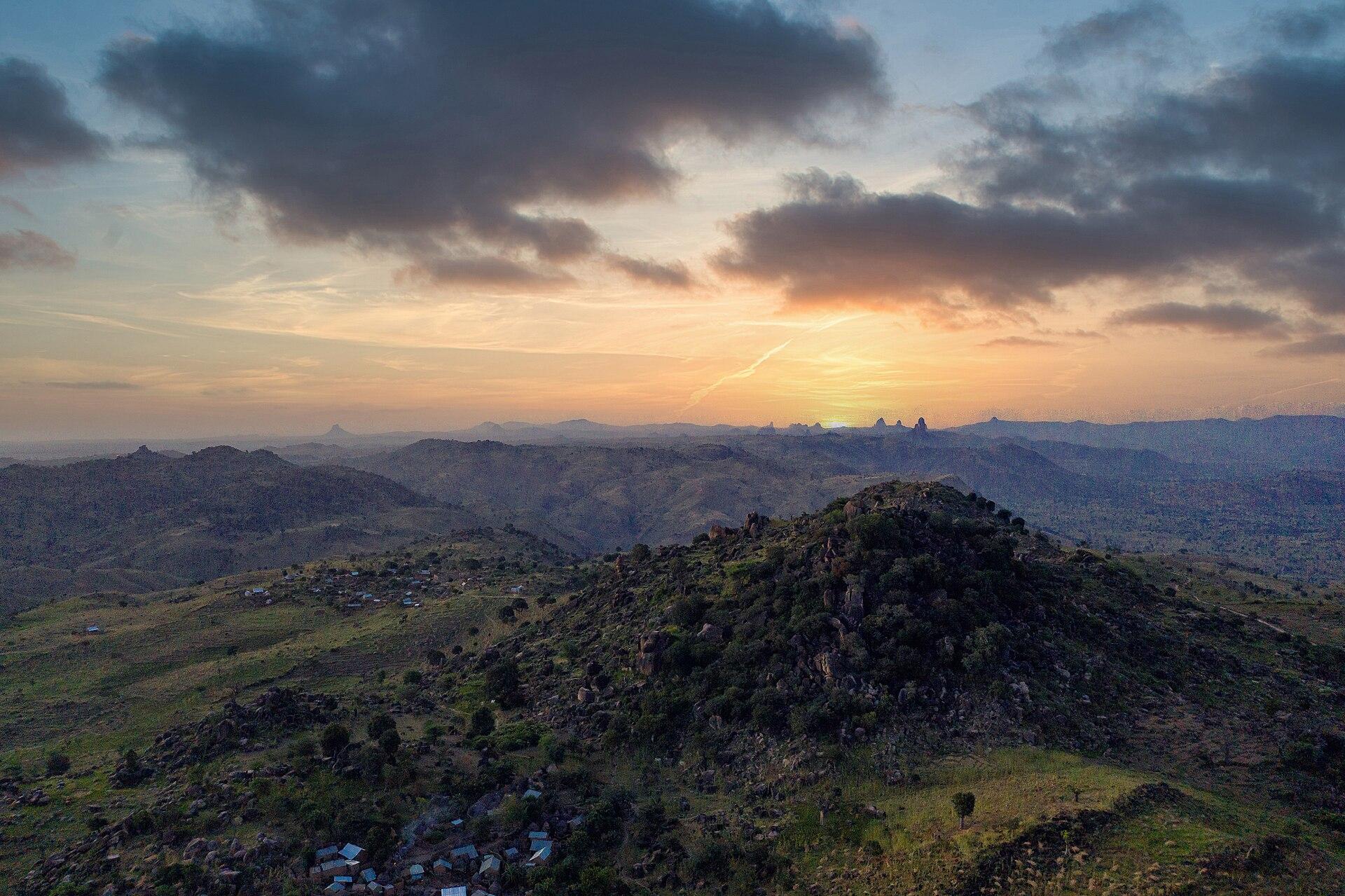
- A light jacket or sweater for evenings, and for cool places such as Obudu, Jos and Mambilla
- A rain jacket or a small umbrella from April to October
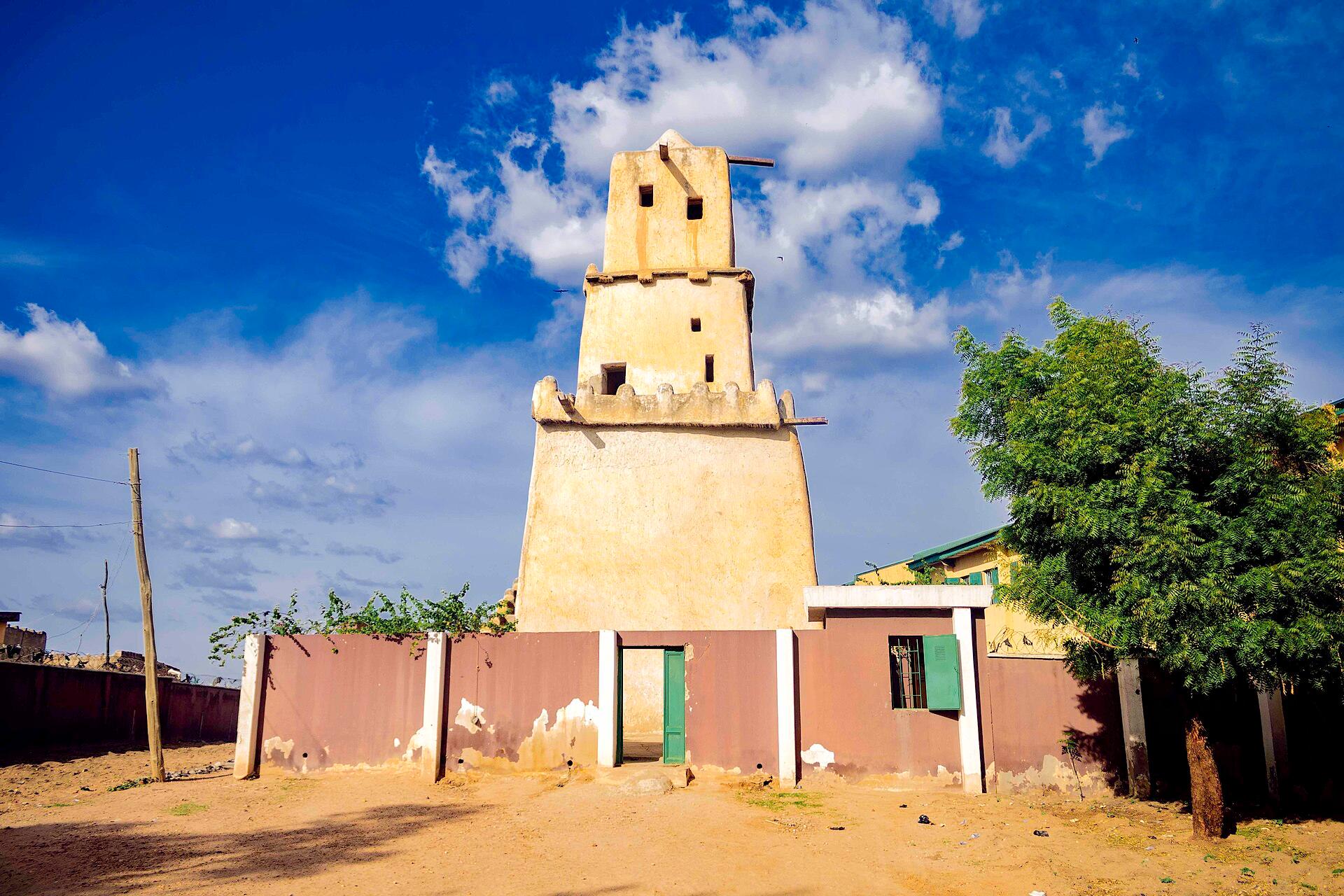
- Modest clothing (covering shoulders and knees) for northern cities and religious sites
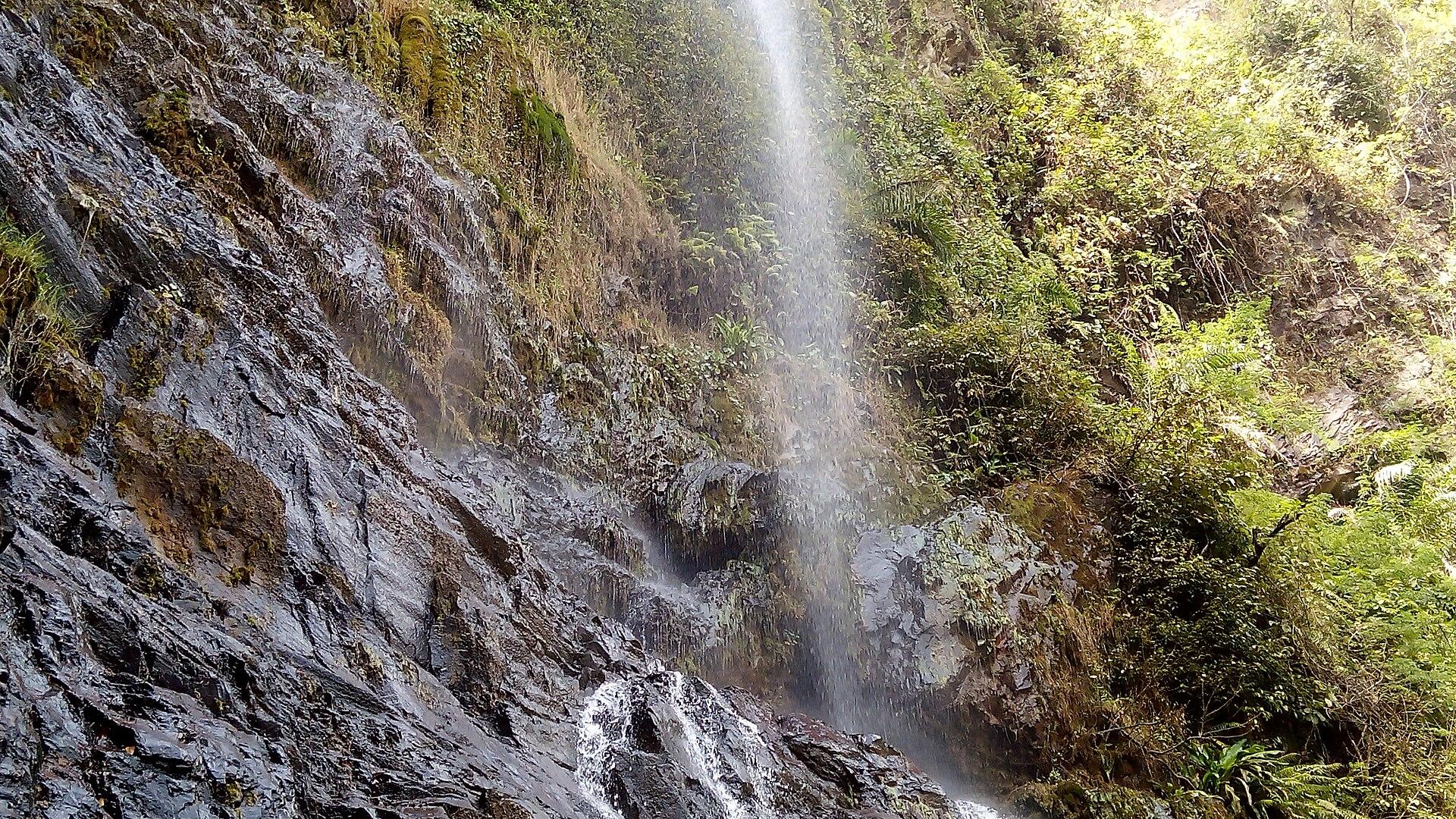
- Swimwear and a quick-dry towel for waterfalls and springs
- A hat and sunglasses
Footwear
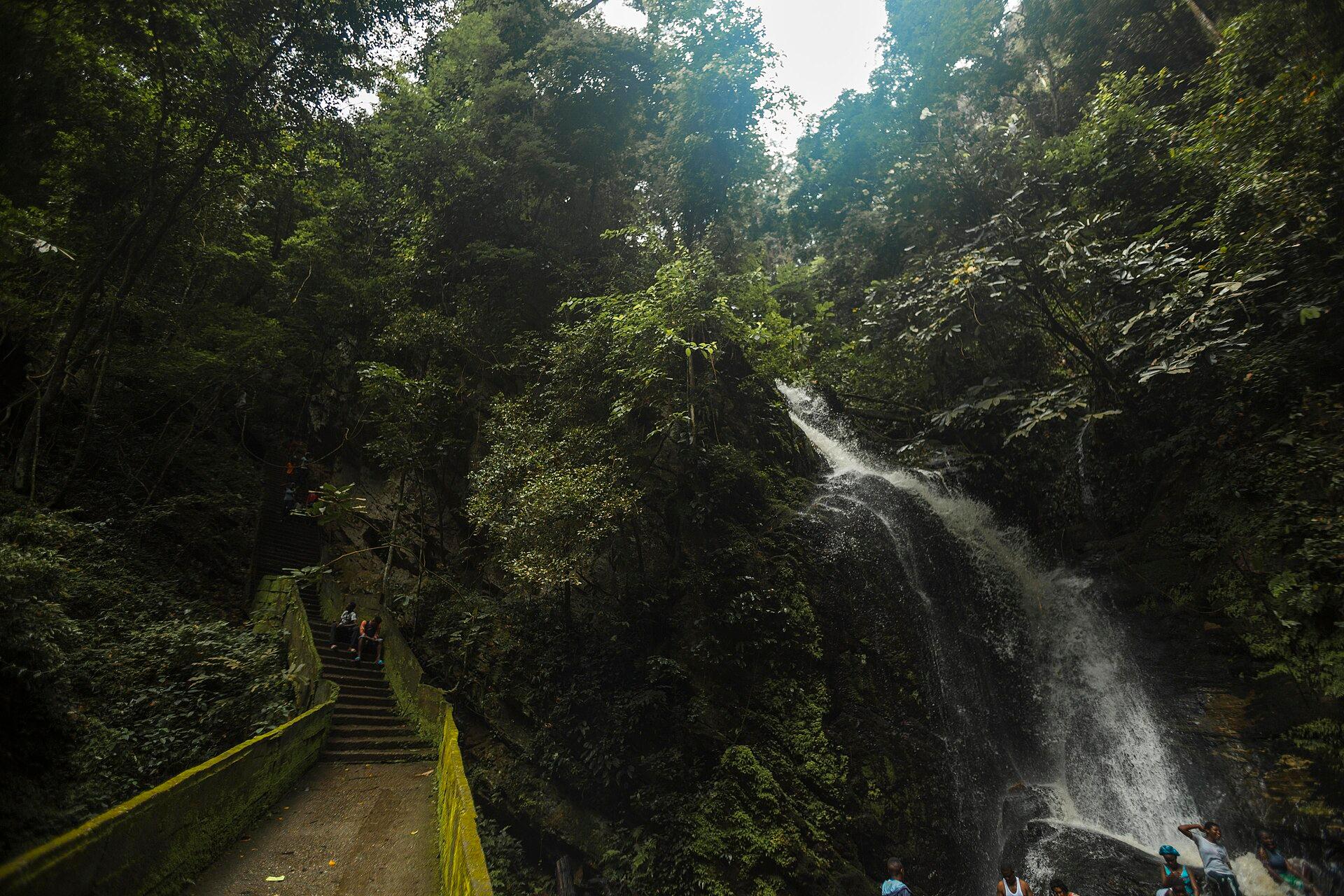
Choose shoes with a good grip, such as trainers or light hiking shoes, for waterfalls, hills and steps. Add sandals for the evening. Flip-flops alone are a poor choice on wet rock.
Health and comfort
- Sunscreen and lip balm
- Insect repellent
- A small first-aid kit and any personal medicine, with a copy of your prescription
- Hand sanitiser and wipes
- A reusable water bottle
Electronics and power
Nigeria uses 230 V electricity at 50 Hz, and the plugs are usually types D and G, so bring an adapter if your devices use another type. Power cuts happen, so a power bank is one of the most useful things you can carry.
Money and documents
- Some cash in small notes, because not every place takes cards
- A bank card that works abroad, and a note of your bank’s helpline
- Passport and visa, plus copies kept separately
- Your booking confirmation and QR ticket, saved on your phone and printed as a backup
- Travel insurance details
Before you go
- Visa
- Most visitors need a visa. Check the official immigration website for the current process and requirements.
- Health
- Ask your doctor about vaccines (a yellow fever certificate is commonly requested) and malaria prevention.
- SIM and data
- Local SIM cards are easy to buy with ID, and mobile data is the usual way to get online.
- Money
- The currency is the naira. Cash is useful, and cards are accepted in many hotels and larger shops.
- Languages
- English is the official language. Hausa, Yoruba, Igbo and many others are widely spoken, and a greeting in the local language is always appreciated.
Rules and requirements change, so confirm them with the official source before you travel. Then see our guide to travelling safely in Nigeria and plan your dates with the seasons guide.
Packing lists by trip type
| Trip | Extra items |
|---|---|
| Waterfall or hike | Grippy shoes, swimwear, quick-dry towel, dry bag |
| City and markets | Modest clothes, small cross-body bag, small notes |
| Wildlife | Binoculars, neutral clothes, hat, insect repellent |
| Cool highlands | Light jacket, long trousers, closed shoes |
What to leave at home
- Expensive jewellery and anything you would hate to lose
- Too many clothes: laundry is easy and cheap
- Heavy luggage: roads and steps are easier with one bag
Frequently asked questions
What plug type does Nigeria use?
Mostly types D and G at 230 V and 50 Hz. Bring an adapter if your devices use another type.
Do I need cash in Nigeria?
Yes, some. Cards work in many hotels and larger shops, but small purchases are often cash only.