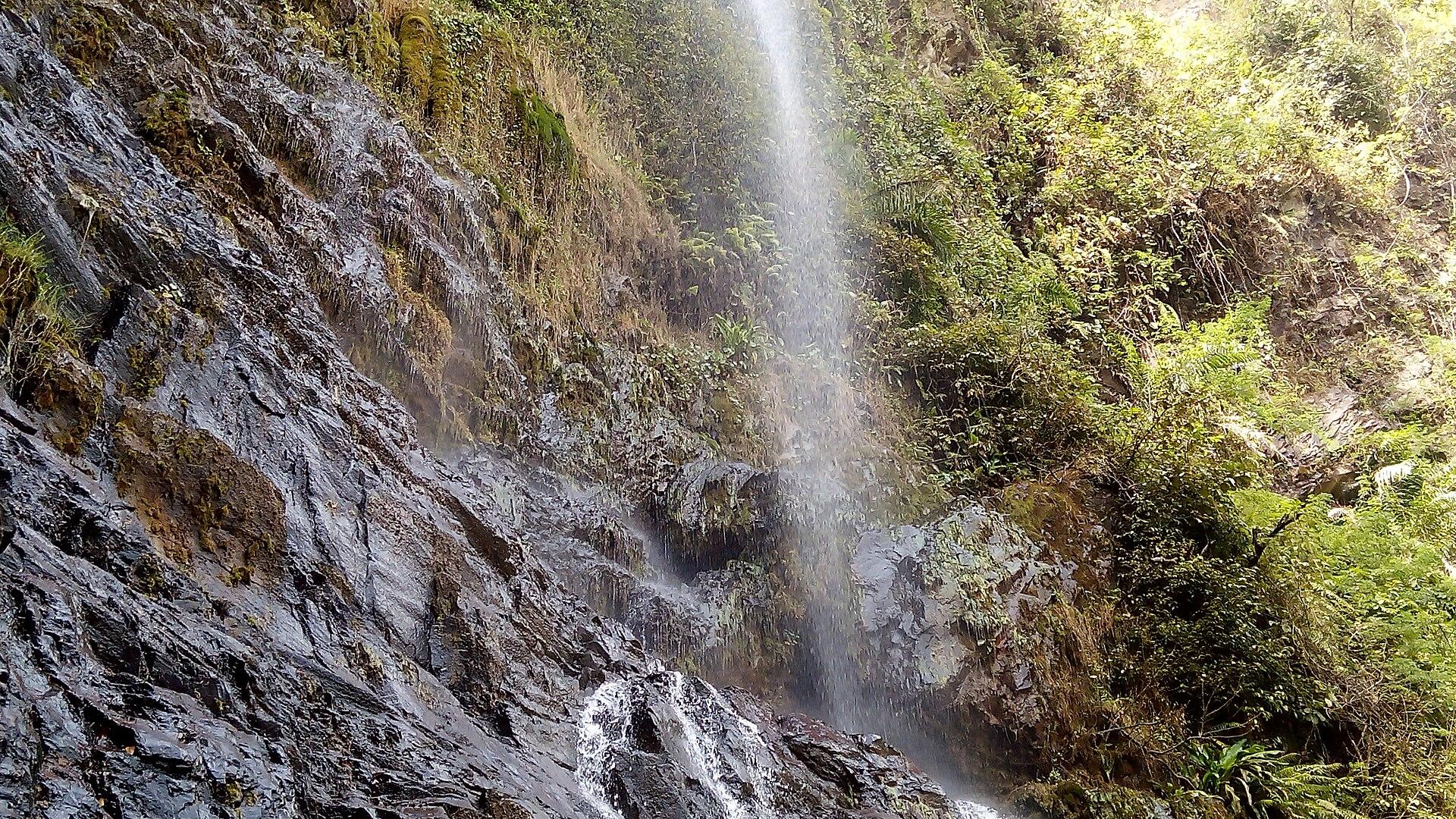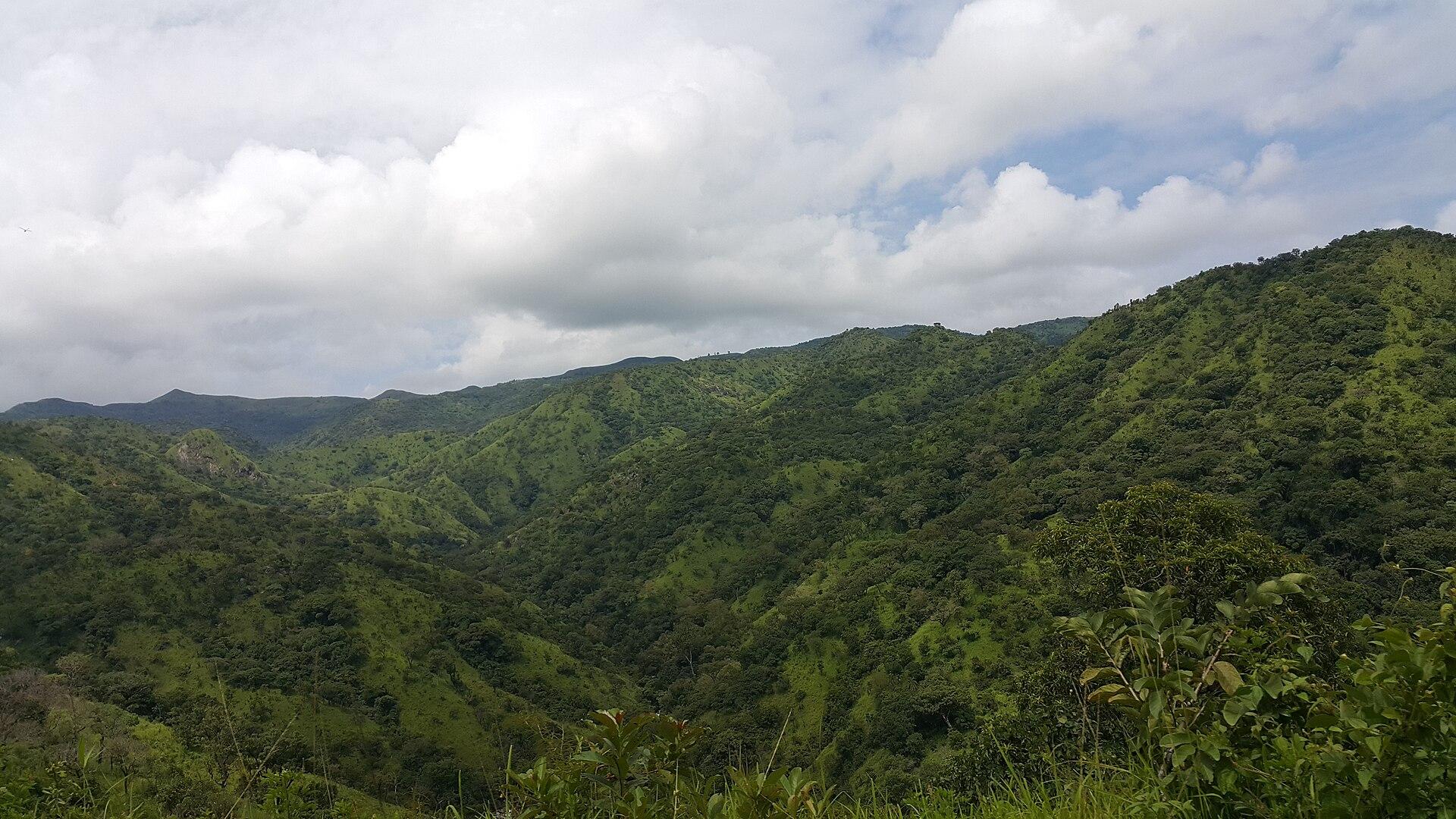
Above the town of Idanre in Ondo State, a ring of ancient granite hills rises out of the farmland. At the top lie the remains of the old Idanre settlement, where people lived for generations before moving down to the plain. Today it is one of Nigeria’s best walking and heritage destinations, and it appears on the country’s tentative list for UNESCO World Heritage status.
The climb
Reaching the old settlement means climbing a long stone stairway, commonly described as about 660 steps. Take your time. The steps are uneven in places, and there are rest points where you can catch your breath and enjoy the view. Most people take around an hour to reach the top, depending on fitness and how often they stop.
What you will see at the top
- Ruins of the old palace and the houses of the former settlement
- Sacred sites and natural features, each tied to a local story
- Wide views across the town and the countryside below
- Rock formations and, on a clear day, a view that stretches to the horizon
A local guide transforms the visit. The stories behind each place are not written on signs, and guides know the safest paths.
What to wear and bring
- Strong shoes with a good grip: this is a climb, not a stroll
- Light, breathable clothes and a hat
- Plenty of water, because there is little to buy on the hill
- A small bag, and a phone with a full battery for photographs
When to go
Start early, so you climb in the cooler morning and finish before the sun is high. The dry season is easiest underfoot, while the rainy season makes the stone slippery and the views hazier. Check the seasons guide when you choose your date.
A sample morning at Idanre
| Time | Plan |
|---|---|
| Early morning | Arrive at the foot of the hills and meet your guide |
| Morning | Climb the stairway, resting at the shelters along the way |
| Mid-morning | Explore the old settlement and the palace ruins |
| Late morning | Enjoy the view, then walk down carefully |
| Afternoon | Lunch in the town, then continue your trip |
Tips for the climb
- Set a steady pace and take breaks: the stairway is a marathon, not a sprint
- Use the handrails where they exist, and watch your footing on the way down
- Do not climb alone: go with a guide or a group
- Leave anything fragile in the car
Who this trip suits
Active travellers, hikers and anyone interested in heritage. If you have knee or heart problems, talk to your doctor first and choose a pace that suits you.

Combine it with other places
Idanre fits well into a longer south-west itinerary together with Ekiti’s hills and springs. Read our Ikogosi and Ekiti guide for ideas.
Frequently asked questions
How many steps are there at Idanre Hills?
The climb is commonly described as around 660 steps, with places to rest along the way.
How long does the Idanre climb take?
Most people take about an hour to reach the top, depending on fitness and how often they stop.
Do I need a guide?
A local guide is strongly recommended: they know the paths and the stories behind each site.